January Newsletter | Trade Alert: OBBBA, SCOTUS, Enforcement Surge

Jill LaMadeleine • January 6, 2026

TOP NEWS: OBBBA Legislation


The proposed One Big Beautiful Bill Act (OBBBA), which has passed the House, seeks to narrow the scope of drawback eligibility for the tobacco industry, specifically addressing the "double drawback" issue where companies allegedly receive refunds on excise taxes they never paid on exports. As of early 2026, the bill's final status in the Senate is a major point of discussion in the trade community.
[Read our analysis of the Supreme Court case →]

STILL PENDING: Supreme Court Decision


Importers are challenging the legality of the reciprocal tariffs and we are all still awaiting the determination by the Supreme Court of the United States. A decision is expected sometime in 2026, the hope is sooner rather than later.

[Track the history of reciprocal tariff challenges →]

DID YOU KNOW: Section 232 & Drawback Opportunities


The scheduled 2026 tariff increases (from 25% to 30% or 50%) on upholstered wood products, kitchen cabinets, and vanities under Section 232 were postponed until January 1, 2027, through a December 31, 2025 proclamation. The current 25% rate remains in effect for these items.


Existing reciprocal tariffs and most Section 232 duties continue to be eligible for duty drawback, offering significant opportunities for businesses to recover costs, especially in the context of high import fees.

[Start recovering your duties today →]

MORE TARIFF NEWS: 2026 Enforcement Surge


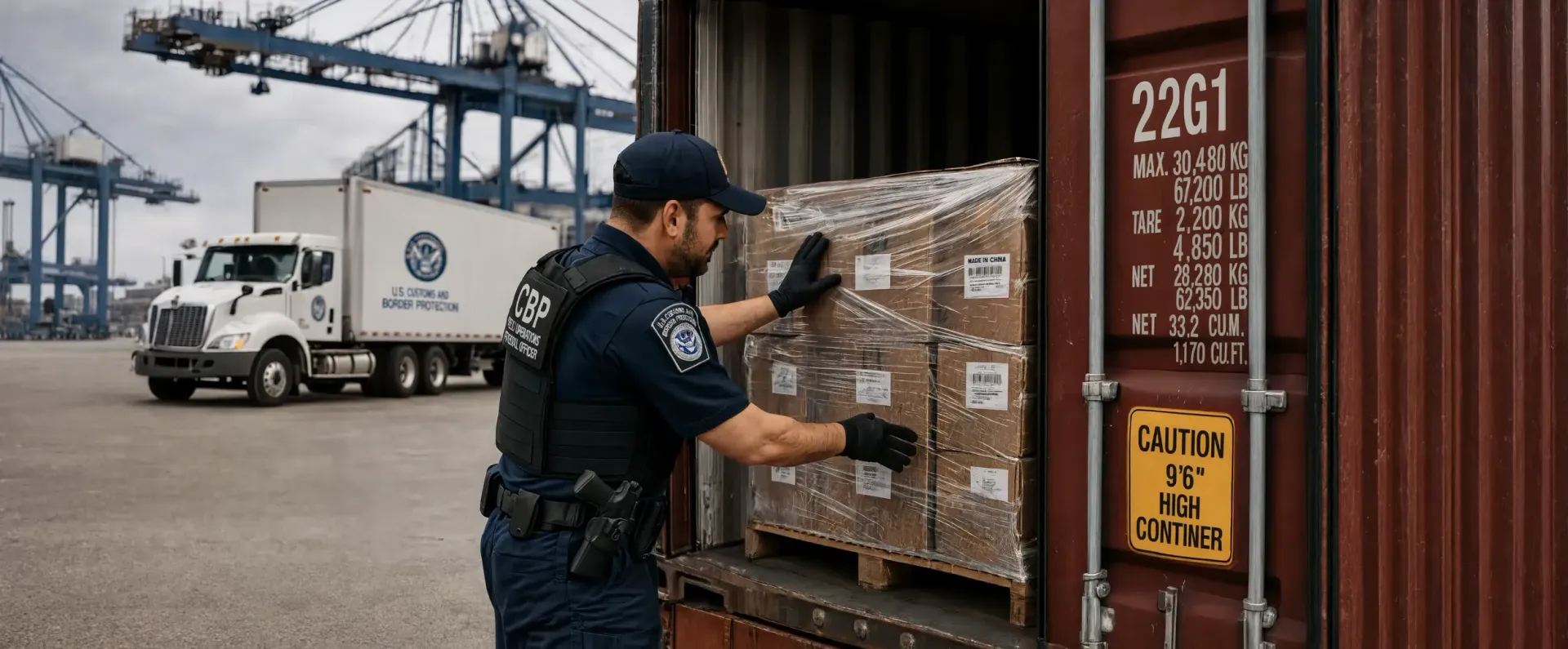
2026 is being characterized as "the year of enforcement for customs and tariff-related matters," following the U.S. Department of Justice's (DOJ) formation of a trade fraud task force and increased funding for Customs and Border Protection (CBP). Companies are advised to ensure robust, risk-based compliance programs are in place to navigate a complex international trade environment.

[How to avoid tariff evasion penalties →]

Try Our Refund Calculator
ITM-Refund-Calculator
Questions? Let's talk.

GET STARTED HERE

Black circle with white right arrow.
Down arrow in a black circle.

Get actionable advice on cost-saving strategies that boost your bottom line.

Subscribe here:


By Jill LaMadeleine July 7, 2026
For nearly eight years, Section 301 tariffs have been one of the most significant trade measures affecting U.S. importers. While many tariff programs have been challenged in court, modified, or even struck down, the Section 301 tariffs on Chinese goods have survived extensive legal scrutiny and remain a key component of U.S. trade policy.
Section 301 tariffs Supreme Court 2026
By Jill LaMadeleine June 30, 2026
Section 301 tariffs are confirmed permanent after SCOTUS declines appeal. CAPE Phase 2 opens $28.7B in refunds. ITM explains what importers need to do now.
CBP is intensifying customs enforcement
By Jill LaMadeleine June 8, 2026
CBP is intensifying customs enforcement under Trump's new EO. Review your HTS classification and valuation practices before auditors do. ITM can help.
DOJ appeals IEEPA refund order | June 2026 update from ITM.
By Jill LaMadeleine June 4, 2026
DOJ appeals IEEPA refund order, putting $166B at risk for non-plaintiff importers. Section 122 struck down but expires July 24. June 2026 update from ITM.
CAPE Platform Live, ACH Payments Required
By Jill LaMadeleine May 7, 2026
CAPE is live — IEEPA refund claims are open. CBP goes ACH-only for all drawback payments. Audits are surging. ITM's May 2026 trade compliance update.
Importers must file claims when CBP's CAPE system launches
By Jill LaMadeleine April 7, 2026
$165B in IEEPA tariff refunds ordered by court. New Section 301 investigation opens. CBP limits AI customs platforms. ITM's April 2026 trade compliance update.
landmark Supreme Court ruling
By Jill LaMadeleine March 3, 2026
IEEPA tariffs ruled illegal by the Supreme Court — CBP has stopped collecting. New Section 122 duties are now in effect. Here's what importers need to know.
Jewelry TV Duty Drawback
By Jill LaMadeleine February 17, 2026
JTV cut duty drawback workload 50% after switching to ITM. See how Jewelry Television recovered a near-complete backlog and transformed their entire process.
PEM America
By Jill LaMadeleine February 4, 2026
Ed Greenberg, Managing Director of PEM America, explains the hundreds of thousands of dollars his company recovered through duty drawback.
The Supreme Court will soon decide whether IEEPA tariffs are legal
By Jill LaMadeleine January 27, 2026
Supreme Court will soon rule on IEEPA tariffs. Learn the 3 steps importers must take now to protect refund rights before liquidation deadlines pass.
Detailed analysis of a duty-free classification for video prints.
By Jill LaMadeleine January 19, 2026
$450K in duty refunds realized through a detailed analysis and evaluation of duty-free classifications made by International Tariff Management.
2025-a-year-of-change-and-vigilance
By Jill LaMadeleine December 9, 2025
2025 began with the promise and the introduction of sweeping, high tariffs on nearly all imports. While there was a transition to a two-tiered system including broad tariffs and country-specific rates, the mid-year brought pauses, renegotiations, and recalibrations.
Jewelry Manufacturing
By Jill LaMadeleine November 14, 2025
The benefits that we realized working with International Tariff Management was that they made the process seamless from beginning to end.
Supreme Court of the United States
By Jill LaMadeleine November 4, 2025
Oral arguments are scheduled to begin this week with the Supreme Court in regards to the Reciprocal Tariffs - starting Wednesday November 5, 2025.
International Containers
By Jill LaMadeleine October 13, 2025
The Supreme Court, which resumed on October 6th, has agreed to hear the case in regards to the reciprocal-tariffs (IEEPA), on an expedited basis.
Satellite manufacturer claims reciprocal duties on goods launched into space
By Jill LaMadeleine September 15, 2025
By leveraging the option to claim drawback on items launched into space, the importer was able to recover substantial funds — and cover these unexpected costs which they in turn did not have to pass along to their manufacturing partners.