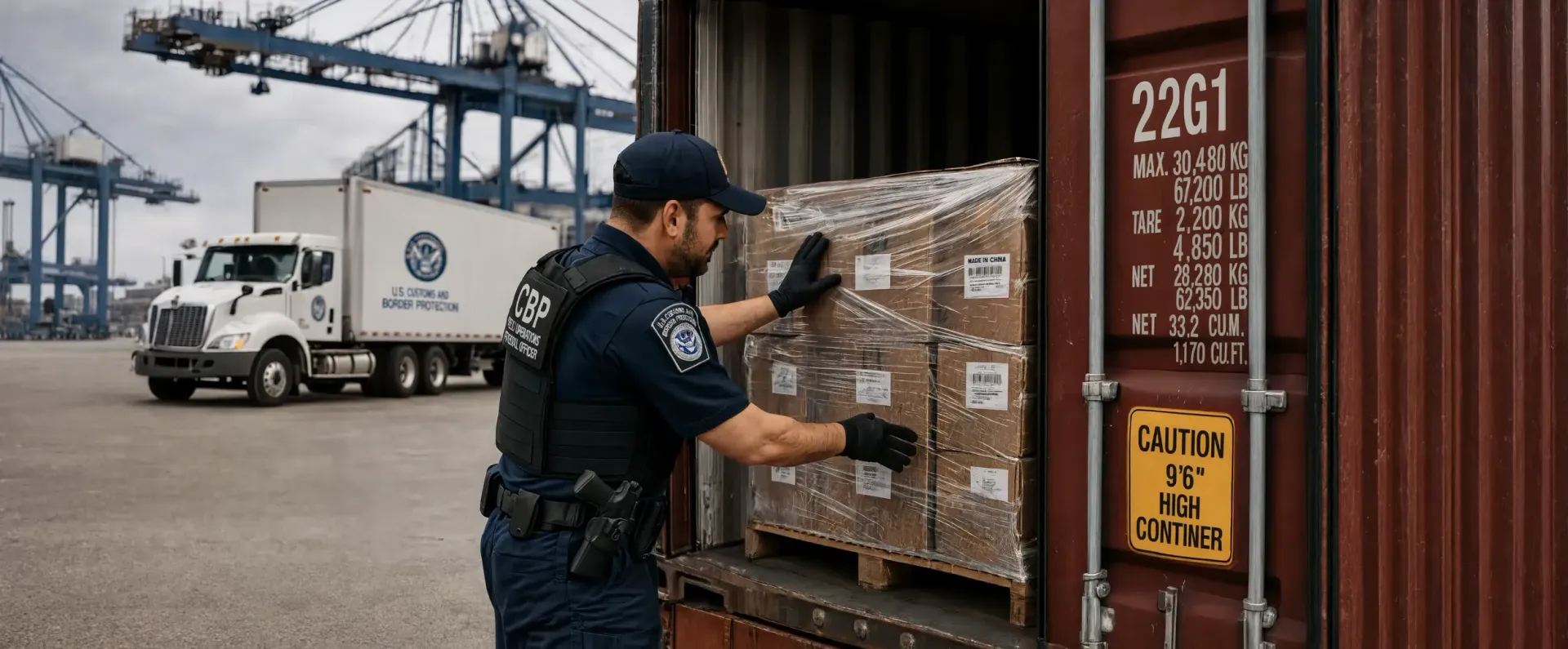
October Newsletter | CAPE Phase 3 Launches October 6th

Jill LaMadeleine • October 1, 2026

TOP NEWS: 

CBP sets October 6 launch for CAPE Phase 3 refunds


CBP has officially set October 6, 2026, as the rollout date for Phase 3 of the Consolidated Administration and Processing of Entries (CAPE) system. In a declaration submitted to the Court of International Trade (CIT) on September 15, CBP confirmed that this phase will finally open up automated refund pathways for finally liquidated entries.


Unlike earlier phases that targeted unliquidated or reconciliation entries, Phase 3 is specifically limited to importers who are active plaintiffs in individual CIT lawsuits and have obtained a court-ordered reliquidation.


What you need to know:

  • Filing Window: Eligible plaintiffs who submitted a valid Importer of Record (IOR) number to CBP by the July 30, 2026 deadline can begin submitting CAPE declarations on October 6.
  • Late Submissions: If you submitted your IOR after July 30, CBP will release separate, additional processing instructions.
  • Massive Recovery Progress: To date, the CAPE system has processed over 286,000 declarations across 27 million entries, with the U.S. Treasury already certifying more than $122 billion in duty refunds and statutory interest.

SECTION 301 EXCLUSIONS: ACE FIX

CBP activates ACE fix for Section 301 China exclusions, unlocking retroactive refunds


CBP has issued critical trade guidance regarding conforming amendments to four Section 301 China product exclusions under HTSUS 9903.88.69. To align with the updated 10-digit statistical reporting categories that took effect on July 1, 2026, the Office of the U.S. Trade Representative (USTR) modified the legal language for specific pump parts and plastic articles to transition them seamlessly into their new HTSUS codes.


From a compliance perspective, the critical update is that the ACE system functionality to accept these amended codes officially went live on September 23, 2026, allowing filers to properly submit entries without triggering system rejections.


For duty drawback claimants and compliance managers, this update provides an immediate pathway to recover retroactively paid tariffs. Importers who brought in qualifying goods between July 1 and September 22, 2026, and paid full Section 301 duties, should now take action. Companies can file a Post Summary Correction (PSC) to claim a direct refund of those duties. If an entry has already progressed past the standard PSC filing timeframe, the liquidation can still be actively protested if it remains within the legal protest window.


Trade compliance teams are advised to immediately audit their import data from this summer to flag newly eligible entries and coordinate with their brokers or service providers to secure these refunds.

DRAWBACK & EXPORT DATA

CBP launches truck export manifest pilot, tightening proof of export for drawback


CBP has officially launched a voluntary, two-year pilot program testing the ACE Electronic Export Manifest (EEM) for Truck Cargo. The test evaluates the feasibility of a strict new timeline for truck carriers, requiring them to electronically submit limited export data at least 24 hours prior to departure from the U.S., followed by a complete manifest filing no later than two hours before arriving at the final port of export.


For the duty drawback community, this pilot signals a major shift toward tighter, fully digitized export tracking. Because proof of export is the foundational requirement for any successful duty drawback claim, automated manifest systems like this will ultimately make verifying overland exports to Canada and Mexico much cleaner. Currently, participation is strictly limited to nine selected truck carriers with EDI or ACE Trade Portal capabilities.


While this is a limited test for now, compliance teams should watch this space closely—widespread adoption of automated export manifests will eventually streamline the data matching required to secure your overland drawback refunds.

Try Our Refund Calculator
ITM-Refund-Calculator
Questions? Let's talk.

GET STARTED HERE

Down arrow in a black circle.

Get actionable advice on cost-saving strategies that boost your bottom line.

Subscribe here:
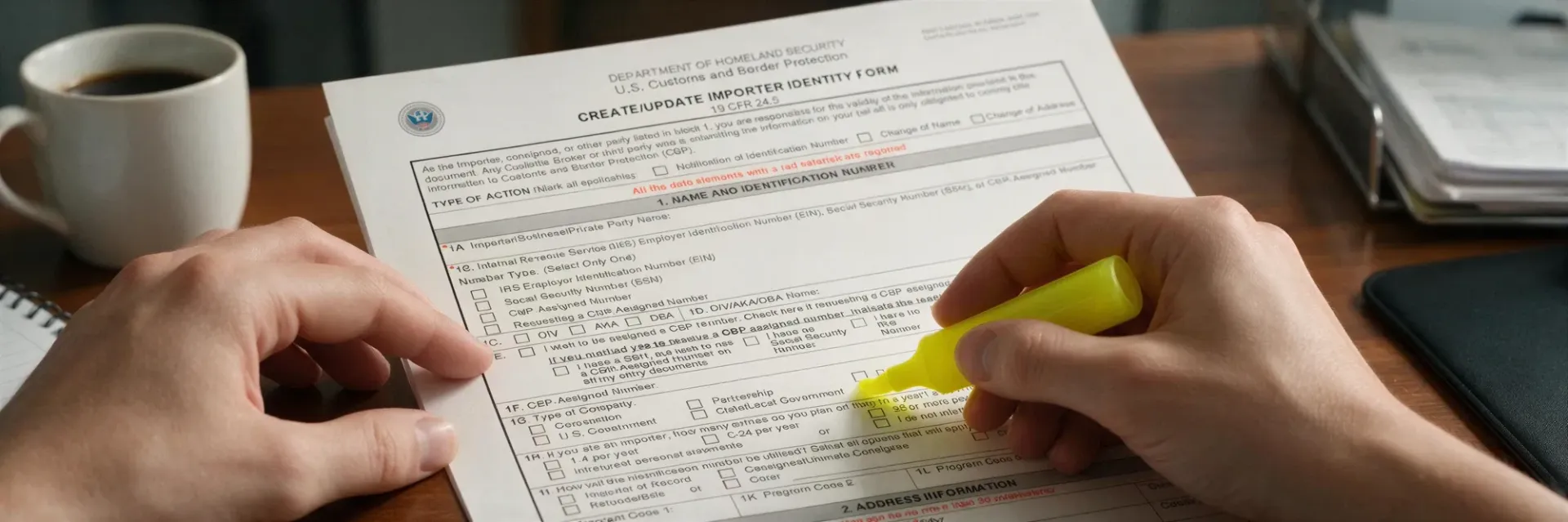

CBP Sharpens Focus on Form 5106 Accuracy
By Jill LaMadeleine • September 1, 2026
CBP scrutinizes Form 5106 accuracy ahead of a September 18 deadline. DOJ targets classification fraud as Canada imposes new tariffs on $20B in U.S. goods Sept. 8.
The Art and Science of HTSUS Classification
By Jill LaMadeleine • August 31, 2026
A steel ball looked like a bearing but wasn't. Learn why HTSUS classification requires more than a product description — and what it could cost you.
CBP Enforcement
By Jill LaMadeleine • August 10, 2026
CBP's sweeping new customs enforcement order raises the stakes for importers — see what it means for duty drawback claims and new Section 232 pharma tariffs.
By Jill LaMadeleine • July 7, 2026
For nearly eight years, Section 301 tariffs have been one of the most significant trade measures affecting U.S. importers. While many tariff programs have been challenged in court, modified, or even struck down, the Section 301 tariffs on Chinese goods have survived extensive legal scrutiny and remain a key component of U.S. trade policy.
Section 301 tariffs Supreme Court 2026
By Jill LaMadeleine • June 30, 2026
Section 301 tariffs are confirmed permanent after SCOTUS declines appeal. CAPE Phase 2 opens $28.7B in refunds. ITM explains what importers need to do now.
CBP is intensifying customs enforcement
By Jill LaMadeleine • June 8, 2026
CBP is intensifying customs enforcement under Trump's new EO. Review your HTS classification and valuation practices before auditors do. ITM can help.
DOJ appeals IEEPA refund order | June 2026 update from ITM.
By Jill LaMadeleine • June 4, 2026
DOJ appeals IEEPA refund order, putting $166B at risk for non-plaintiff importers. Section 122 struck down but expires July 24. June 2026 update from ITM.
CAPE Platform Live, ACH Payments Required
By Jill LaMadeleine • May 7, 2026
CAPE is live — IEEPA refund claims are open. CBP goes ACH-only for all drawback payments. Audits are surging. ITM's May 2026 trade compliance update.
Importers must file claims when CBP's CAPE system launches
By Jill LaMadeleine • April 7, 2026
$165B in IEEPA tariff refunds ordered by court. New Section 301 investigation opens. CBP limits AI customs platforms. ITM's April 2026 trade compliance update.
landmark Supreme Court ruling
By Jill LaMadeleine • March 3, 2026
IEEPA tariffs ruled illegal by the Supreme Court — CBP has stopped collecting. New Section 122 duties are now in effect. Here's what importers need to know.
Jewelry TV Duty Drawback
By Jill LaMadeleine • February 17, 2026
JTV cut duty drawback workload 50% after switching to ITM. See how Jewelry Television recovered a near-complete backlog and transformed their entire process.
PEM America
By Jill LaMadeleine • February 4, 2026
Ed Greenberg, Managing Director of PEM America, explains the hundreds of thousands of dollars his company recovered through duty drawback.
The Supreme Court will soon decide whether IEEPA tariffs are legal
By Jill LaMadeleine • January 27, 2026
Supreme Court will soon rule on IEEPA tariffs. Learn the 3 steps importers must take now to protect refund rights before liquidation deadlines pass.
Detailed analysis of a duty-free classification for video prints.
By Jill LaMadeleine • January 19, 2026
$450K in duty refunds realized through a detailed analysis and evaluation of duty-free classifications made by International Tariff Management.
SCOTUS to Rule on Reciprocal Tariffs
By Jill LaMadeleine • January 6, 2026
January 2026 trade update: OBBBA targets tobacco drawback, Section 232 delayed, reciprocal tariffs still eligible for refunds. Plus: why 2026 is enforcement year.
2025-a-year-of-change-and-vigilance
By Jill LaMadeleine • December 9, 2025
2025 began with the promise and the introduction of sweeping, high tariffs on nearly all imports. While there was a transition to a two-tiered system including broad tariffs and country-specific rates, the mid-year brought pauses, renegotiations, and recalibrations.