Section 301 Tariffs: A Brief History and Why They Remain a Major Concern for Importers
For nearly eight years, Section 301 tariffs have been one of the most significant trade measures affecting U.S. importers. While many tariff programs have been challenged in court, modified, or even struck down, the Section 301 tariffs on Chinese goods have survived extensive legal scrutiny and remain a key component of U.S. trade policy.
What Are Section 301 Tariffs?

Section 301 refers to a provision of the Trade Act of 1974 that authorizes the United States Trade Representative (USTR) to investigate and respond to foreign trade practices that are considered unfair, discriminatory, or harmful to U.S. commerce. If the USTR determines that a foreign government is engaging in unreasonable trade practices, it may recommend actions such as additional duties, quotas, or other trade restrictions. The most notable use of Section 301 occurred in 2017 when the USTR launched an investigation into China's policies regarding intellectual property protection, forced technology transfer, and innovation practices. Following the investigation, the U.S. concluded that certain Chinese practices unfairly disadvantaged U.S. companies and warranted corrective action.
The China Section 301 Tariffs
Beginning in 2018, the U.S. imposed several rounds of tariffs on Chinese-origin merchandise. Initially, the tariffs covered approximately $50 billion worth of imports under what became known as Lists 1 and 2. As trade tensions escalated and China implemented retaliatory measures, the USTR expanded the tariffs through List 3 and later List 4A, ultimately covering hundreds of billions of dollars in imports from China. Today, Section 301 duties continue to apply to thousands of tariff classifications and remain a substantial cost for many importers. Depending on the product, additional duty rates can range from 7.5% to significantly higher levels for certain strategic sectors.
The Legal Challenge

Not surprisingly, importers challenged the expanded tariffs in court. The primary case argued that the USTR exceeded its authority when it expanded the original tariffs through Lists 3 and 4A and that the agency failed to comply with certain procedural requirements under the Administrative Procedure Act. Thousands of importers joined or filed related cases seeking refunds of duties paid on affected imports. The U.S. Court of International Trade ultimately upheld the tariffs, and in September 2025 the U.S. Court of Appeals for the Federal Circuit affirmed that decision. The appellate court found that the USTR had statutory authority to modify the original Section 301 action and had properly followed required procedures.
Supreme Court Action Ends the Dispute
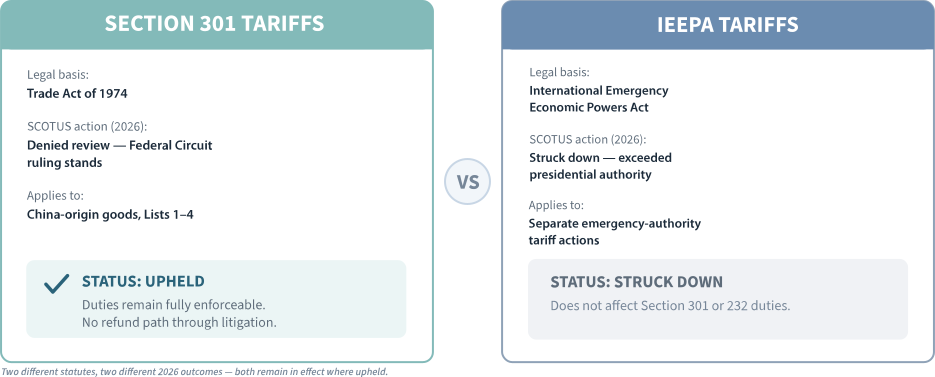
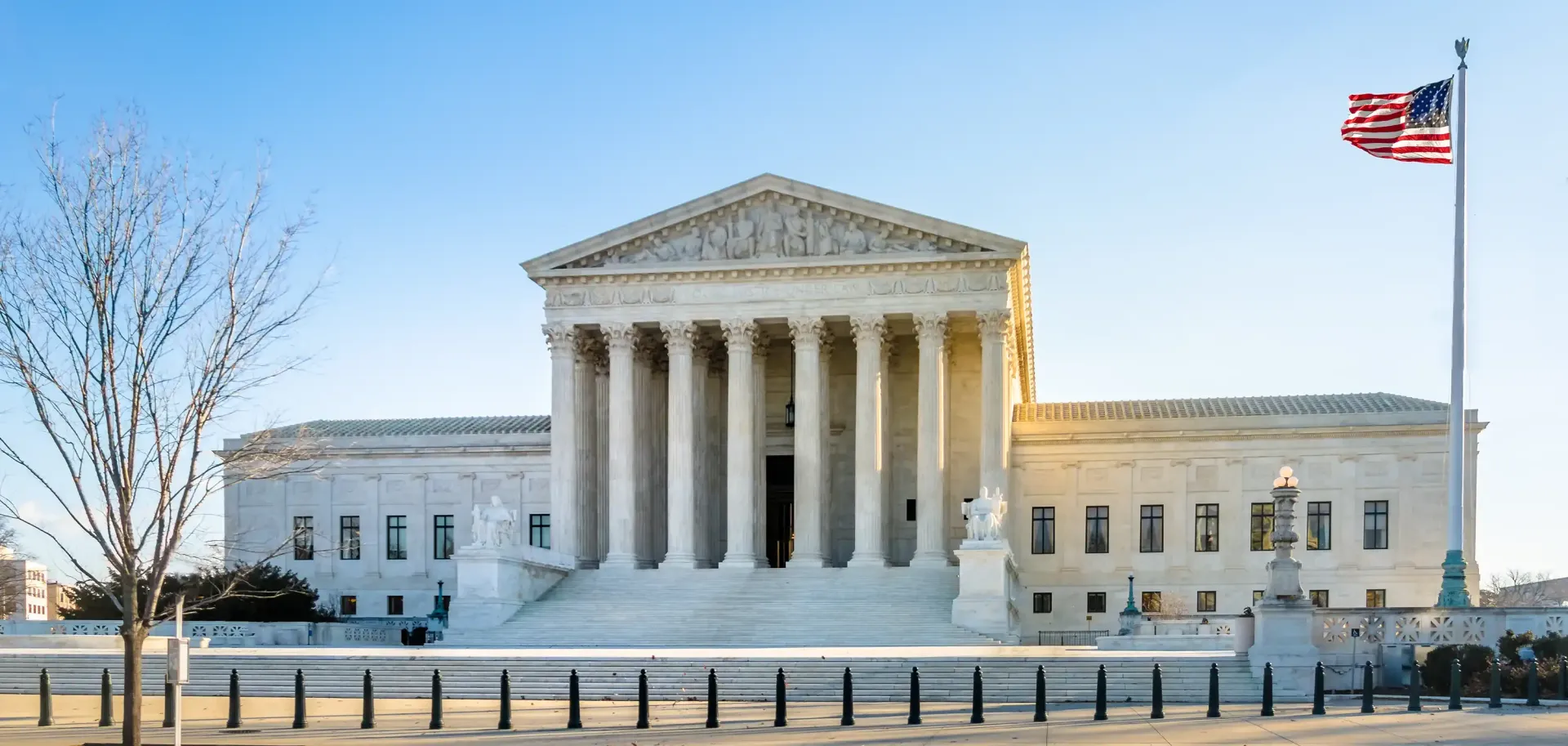
The final chapter came on June 15, 2026, when the U.S. Supreme Court declined to hear the appeal in HMTX Industries LLC v. United States. Although the Court did not issue a substantive opinion on the merits, its denial of review left the Federal Circuit's decision intact and effectively ended the legal challenge. As a result, the Section 301 tariffs imposed on Chinese goods remain fully enforceable, and importers seeking refunds through the litigation have exhausted their legal options.
This outcome is particularly significant because it contrasts with the Supreme Court's separate 2026 decision striking down tariffs imposed under the International Emergency Economic Powers Act (IEEPA). While the Court found that IEEPA did not authorize the President to impose tariffs, it did not affect tariffs imposed under other statutory authorities, including Sections 301 and 232. Consequently, the China Section 301 tariffs remain in place and continue to serve as one of the administration's most durable trade enforcement tools.
What This Means for Importers
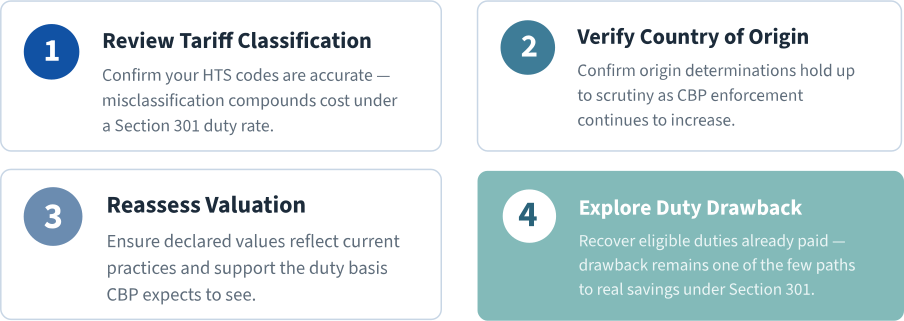
The Supreme Court's action removes any remaining uncertainty regarding the legality of the existing China Section 301 tariffs. Importers should assume these duties will remain a long-term reality and should continue to focus on proper tariff classification, valuation, country-of-origin determinations, and potential duty mitigation strategies.
With CBP increasing enforcement efforts and tariff compliance becoming more complex, importers should periodically review their import programs to ensure they are paying the correct duties and taking advantage of any available opportunities for savings, including duty drawback and other trade programs where appropriate.
In today's trade environment, accurate classification and compliance are no longer simply administrative functions—they are essential risk management tools that can have a substantial impact on an importer's bottom line.
GET STARTED HERE
Get actionable advice on cost-saving strategies that boost your bottom line.
Subscribe here: